A summer journey through fishing villages, remote campsites and wild coastline.
South Africa’s West Coast is often associated with the colourful wildflowers of Namaqualand, which attract visitors during late winter and early spring. But there is another side to this remarkable coastline that is well worth exploring. During the summer and early autumn months, particularly from January to March, the West Coast offers beautiful coastal scenery, charming fishing villages, quiet beaches and some of the most rewarding 4×4 routes in the country.
This suggested five-day journey begins in Cape Town and follows the Atlantic coastline north towards Alexander Bay, passing through seaside towns, historic fishing communities, remote wilderness campsites and old diamond-mining regions. It is an adventurous one-way route that combines local culture, good food and incredible scenery, with a proper 4×4 becoming essential for exploring some of the more remote coastal tracks.
The journey begins with the drive from Cape Town to Langebaan, approximately an hour and a half away. The town is best known for its beautiful turquoise lagoon and the surrounding West Coast National Park. This protected area is home to remarkable birdlife, coastal ecosystems, scenic viewpoints and some of the most beautiful stretches of coastline in the Western Cape. It is a wonderful place to begin the adventure.
While in Langebaan, a visit to Die Strandloper is highly recommended. This unique open-air seafood restaurant offers an authentic West Coast dining experience, with food prepared over open fires right beside the beach. Allow three to four hours to enjoy the experience properly. It is as much about the atmosphere and local hospitality as it is about the food.
From Langebaan, explore the fishing villages of Jacobsbaai, Paternoster, Tietiesbaai and Velddrif. Each has its own character, from whitewashed cottages and sheltered bays to colourful fishing boats and traditional coastal communities. Take time to explore the harbours, meet the locals and sample traditional West Coast favourites such as bokkoms and rollmops. These small experiences are part of what makes travelling along this coastline so memorable.
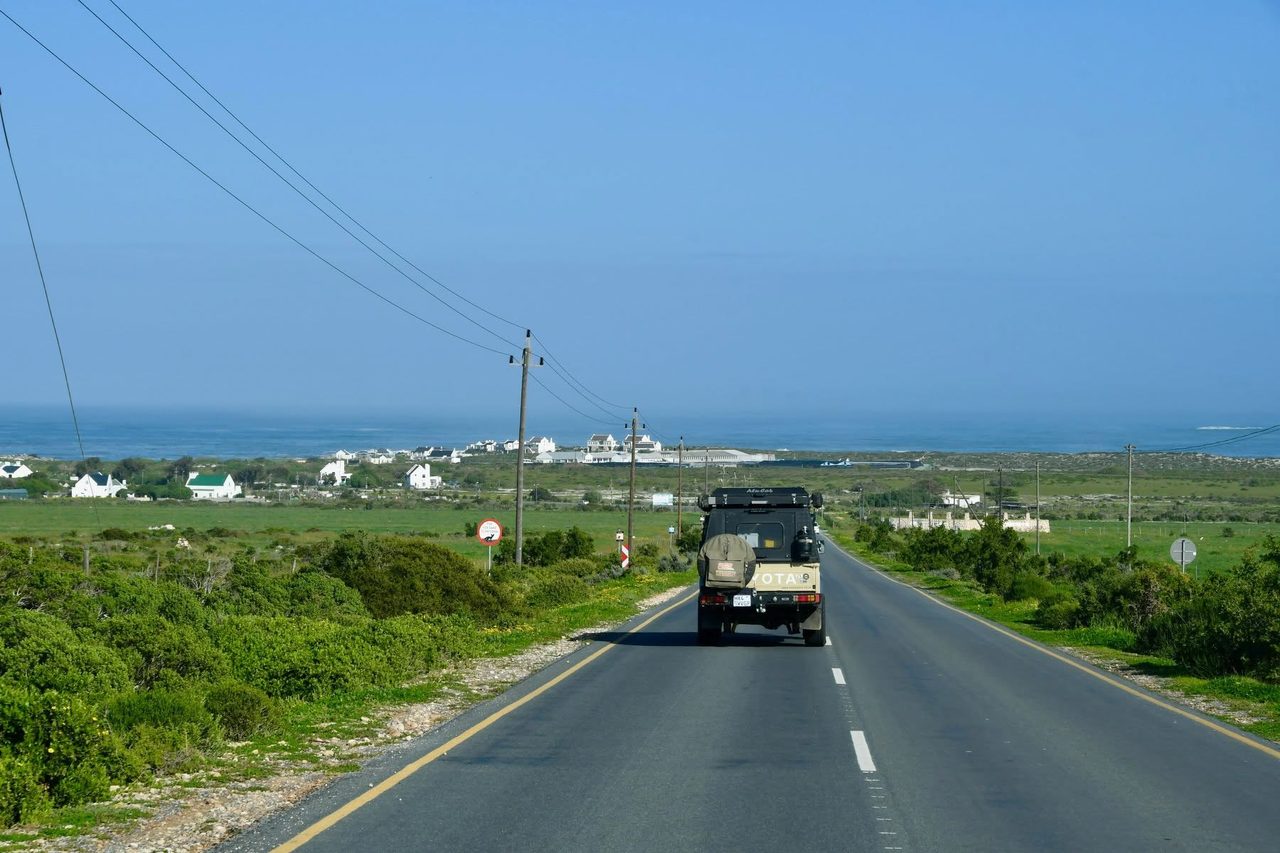
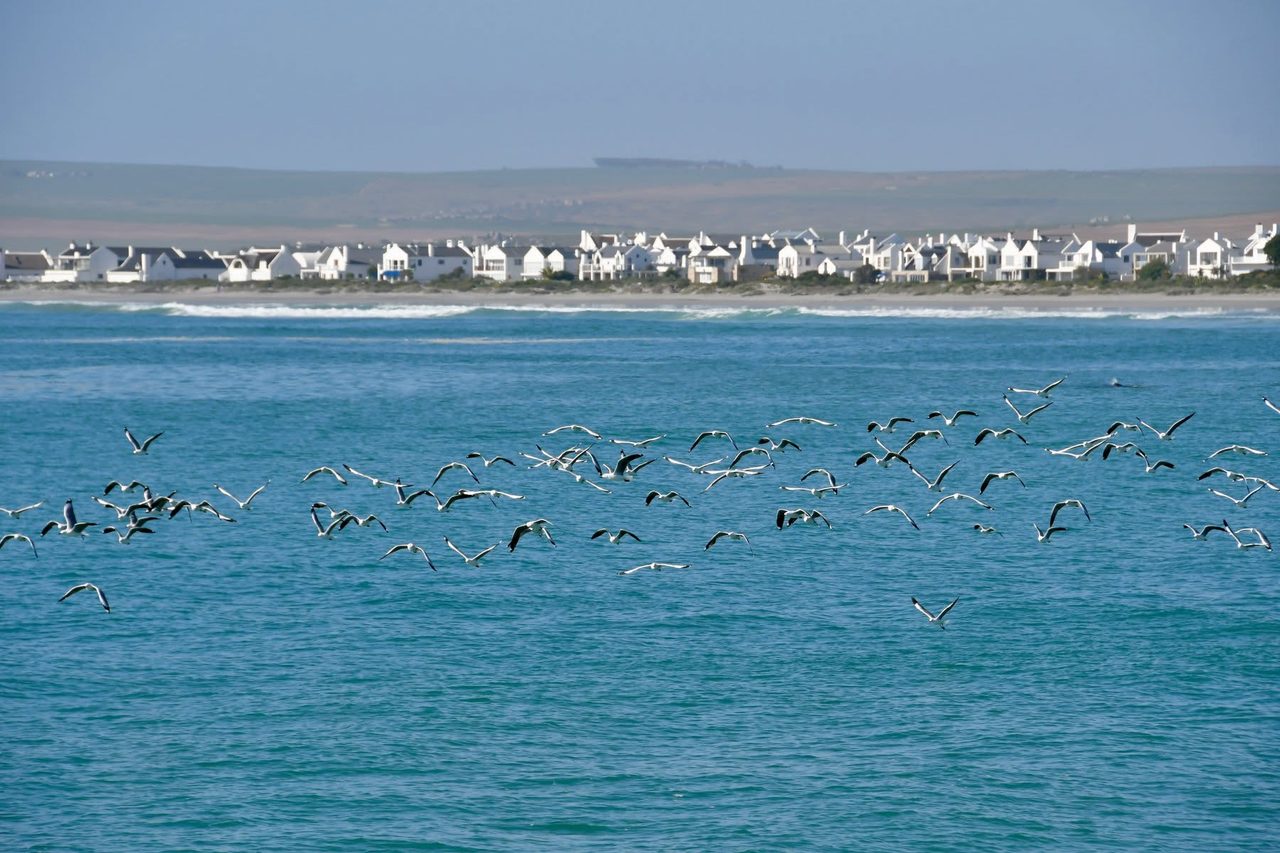
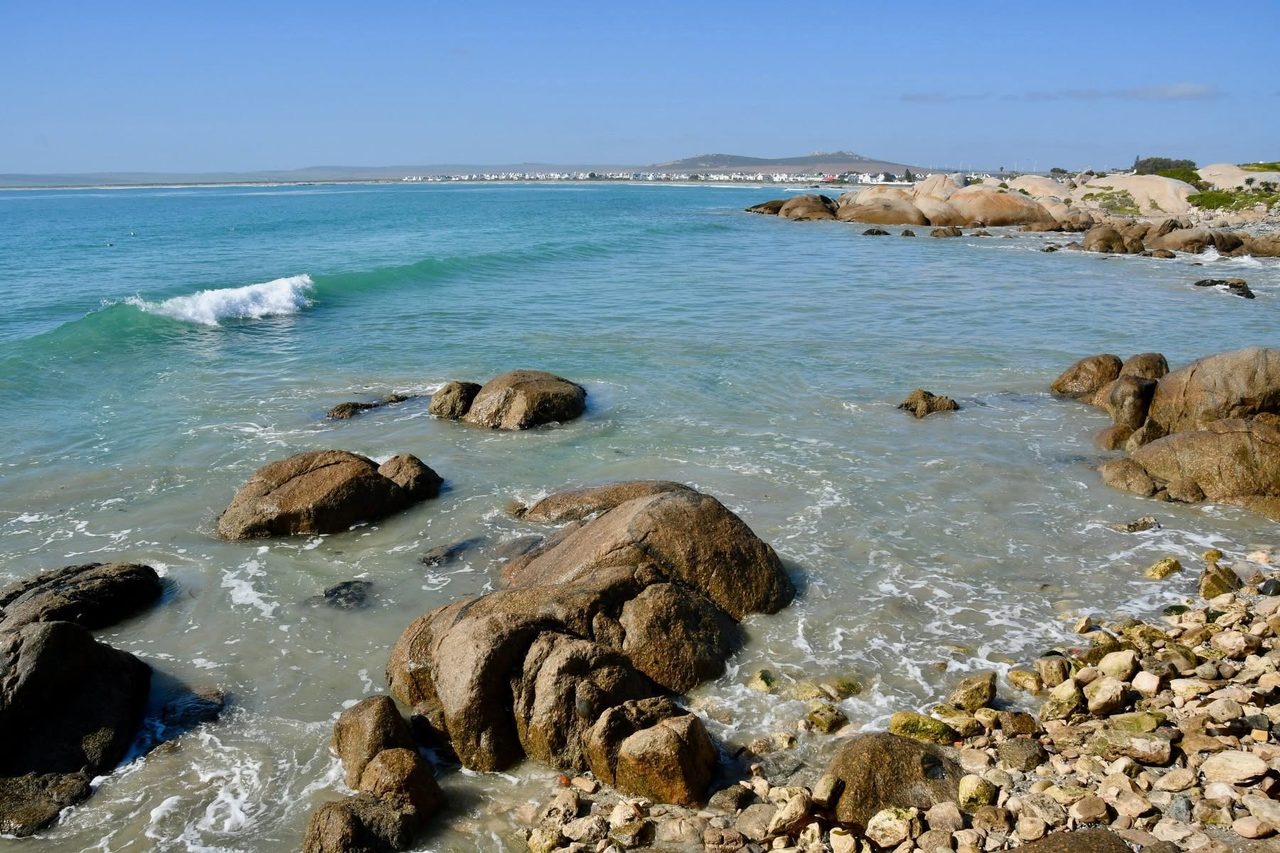
Continuing north, the route passes Elands Bay and Lambert’s Bay, where the coastline becomes quieter and the fishing heritage of the region is especially noticeable. Lambert’s Bay is home to Bird Island Nature Reserve, where visitors can observe a breeding colony of Cape gannets. The island is connected to the mainland by a breakwater, making it one of the most accessible places to experience these remarkable seabirds up close.
Another memorable stop is Muisbosskerm, a traditional open-air seafood restaurant near Lambert’s Bay. Known for its food prepared over open fires, relaxed atmosphere and beautiful ocean setting, it offers a proper taste of West Coast hospitality. Reservations are essential, so it is worth planning this stop in advance.
Further north lies Doringbaai, a small coastal village with a fascinating connection to both the fishing and wine industries. Here, Fryer’s Cove has established a unique winery in a former crayfish-processing factory beside the Atlantic Ocean. Cold seawater is used in the wine production process, while the location offers visitors a chance to enjoy excellent wines in an unusual coastal setting.
From the Olifants River mouth, the coastline becomes increasingly remote. For travellers looking for a more adventurous experience, there are rugged coastal tracks and isolated camping spots around places such as Lang Gert, Org se Baai and Brand se Baai. These quieter sections offer spectacular ocean views and a sense of wilderness that is becoming increasingly difficult to find. Camping arrangements, access conditions and facilities vary between locations, so travellers should confirm the requirements before heading out.
The next major destination is the coastal section of Namaqua National Park, entered near Groenriviermond. This is one of the highlights of the journey, particularly for travellers who enjoy remote camping and 4×4 adventures. The coastline is wild and largely undeveloped, with sandy tracks, rocky bays, open beaches and incredible Atlantic Ocean views.
The park offers several rustic coastal campsites, including Delwerskamp, Kwas se Baai, Skuinsklip and the well-known Koringkorrelbaai. These campsites provide a rare opportunity to experience the West Coast away from busy towns and popular holiday destinations. Facilities are extremely limited, with no running water or electricity at the wilderness sites, so travellers need to arrive fully prepared and self-sufficient.
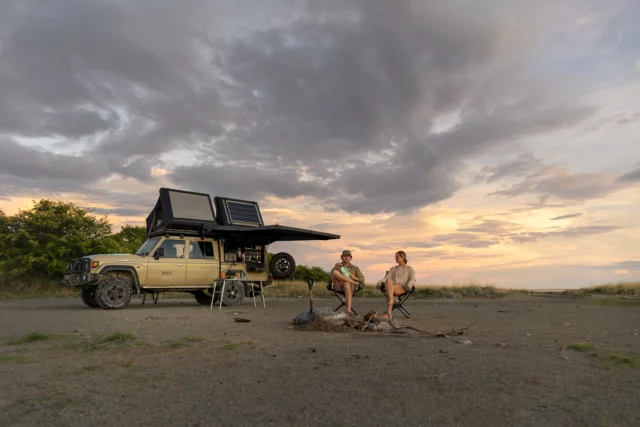
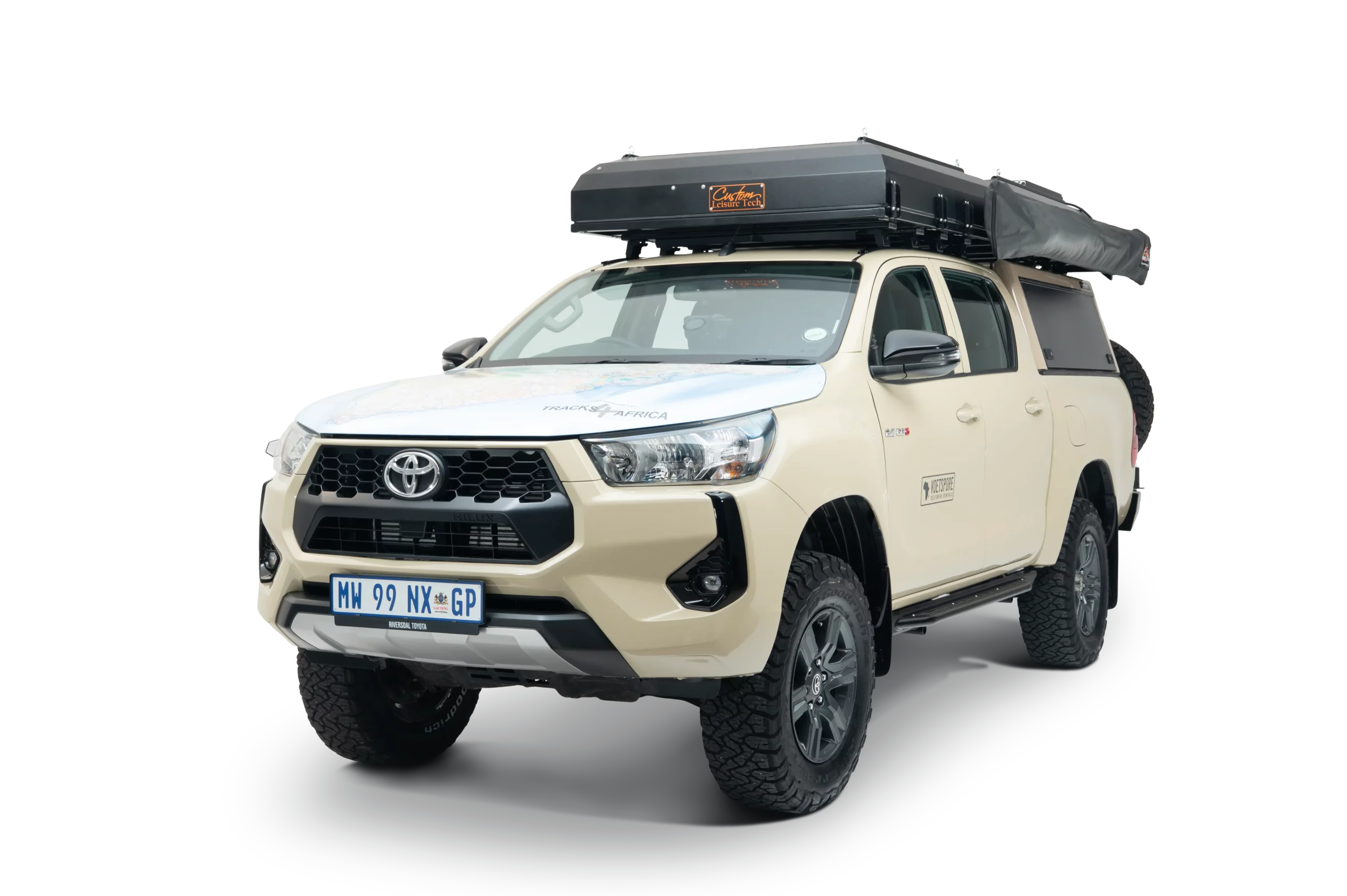
A proper 4×4 is recommended for exploring the more demanding sandy routes and accessing the remote campsites. The appeal lies in the simplicity of the experience: long walks along the coastline, evenings around the campfire and the sound of the Atlantic Ocean just beyond the campsite.
From Namaqua National Park, the journey continues north towards Hondeklip Bay, one of the most interesting small towns along the Namaqualand coastline. The village is known for its fishing heritage, relaxed atmosphere and the remains of the Aristea shipwreck, which ran aground in 1945. Visitors can also look for the distinctive rock formation that gave Hondeklip Bay its name, resembling the shape of a dog.
Continuing north, the route passes through the former diamond-mining regions of Koingnaas and Kleinzee. These settlements offer a glimpse into the history of diamond mining along South Africa’s Atlantic coastline. The surrounding landscapes are striking, with open gravel roads, dry plains and a sense of isolation. Some mining areas still have restricted access, so travellers should remain on authorised public routes.
The next major stop is Port Nolloth, a historic coastal town with a strong connection to the diamond and fishing industries. Nearby McDougall’s Bay is a popular holiday destination, particularly among families and farmers from the Northern Cape. Its broad sandy beach, sheltered bay and relaxed atmosphere make it a welcome stop after several days of remote driving.
The final destination is Alexander Bay, situated near the mouth of the Orange River, also known as the Gariep. This river has played an important role in the diamond history of Southern Africa, transporting diamond-bearing material from the interior towards the Atlantic coast over millions of years.
At the Orange River mouth, the landscape changes once again. The dry coastal environment gives way to an important wetland system, with lagoons, salt marshes and birdlife attracting nature lovers and birdwatchers. It is a remarkable place to conclude the journey, where one of Southern Africa’s great rivers reaches the Atlantic Ocean.
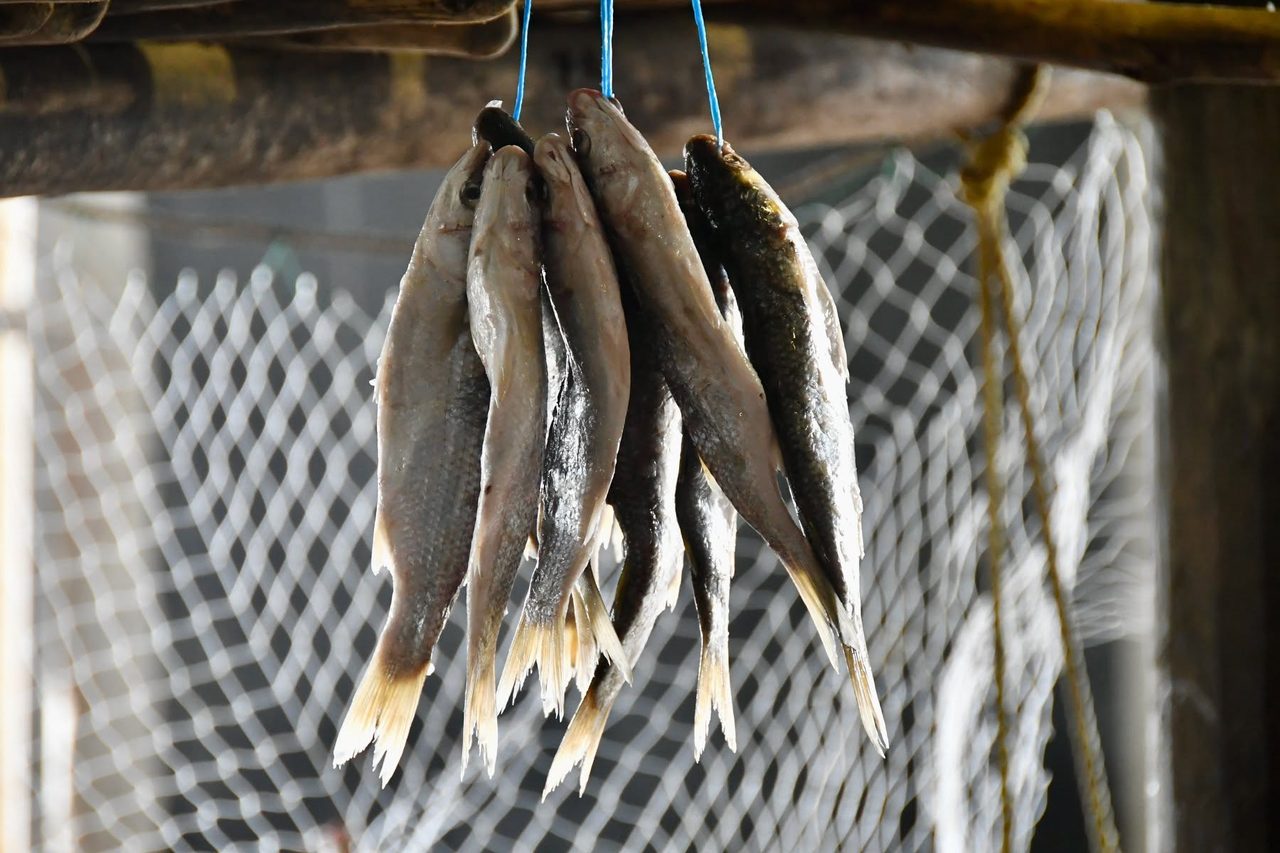
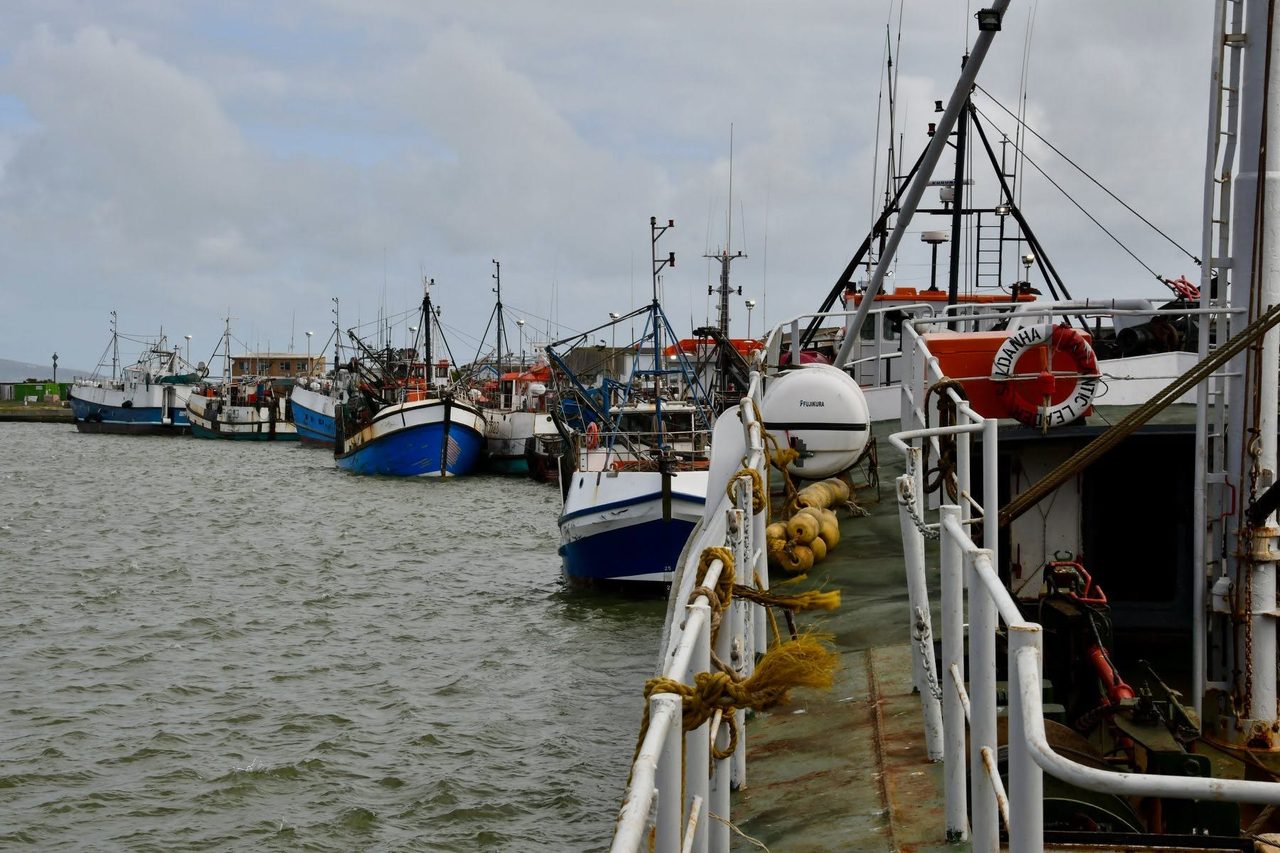
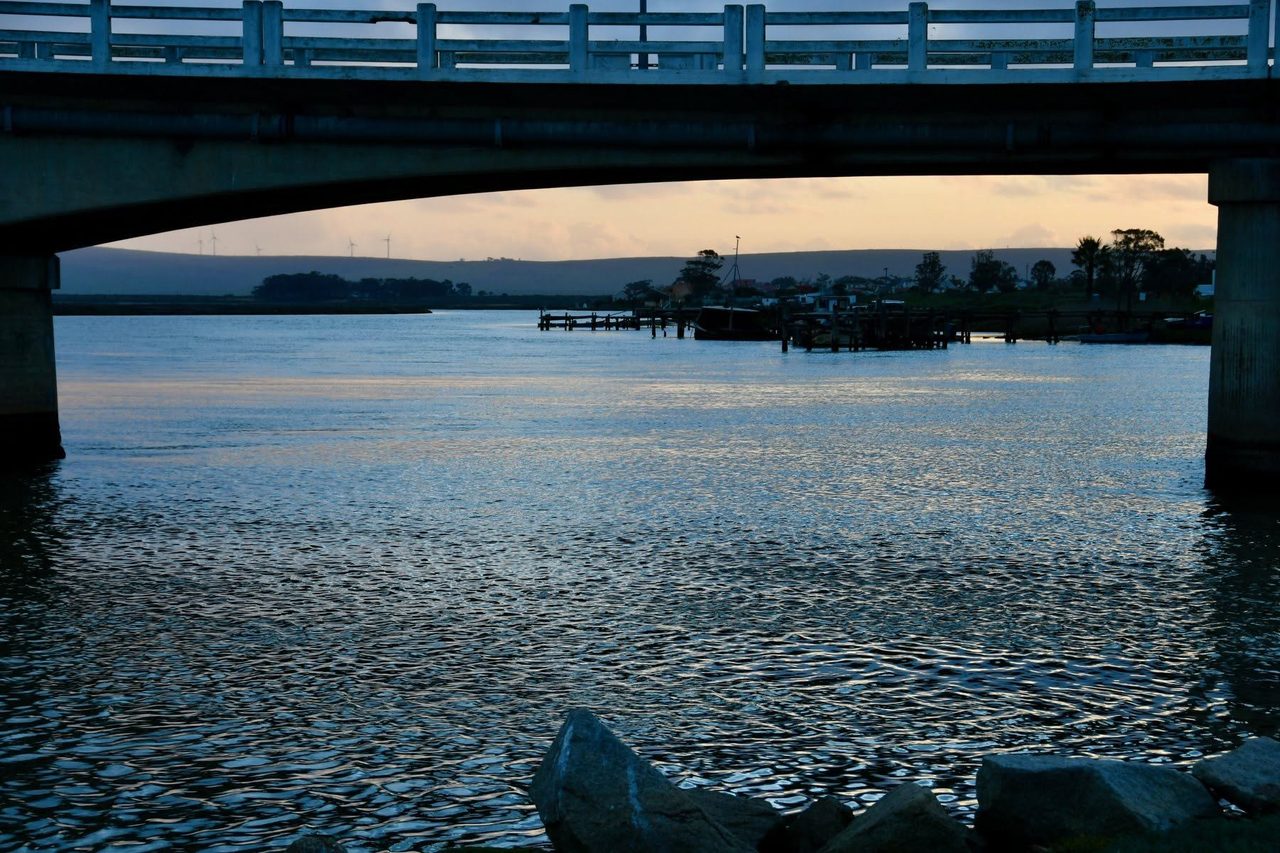
This West Coast journey offers a very different experience from the more familiar inland safari routes. Here, the adventure is found in the fishing villages, gravel roads, remote campsites, coastal landscapes and the people who call this part of South Africa home.
Although the route can be explored over five days, it is best treated as a northbound journey, with additional time needed for the return drive. Travellers wanting to spend more time at the coastal campsites, explore the fishing villages properly and enjoy the journey at a slower pace should consider extending their trip.
Preparation is essential, especially when travelling through the more remote sections of Namaqua National Park. Carry sufficient drinking water, food, fuel, recovery equipment, camping supplies and reliable navigation tools. Some routes involve soft sand, limited mobile reception and long distances between services. Always check road conditions, campsite availability and access restrictions before departure.
For those who enjoy exploring beyond the usual tourist routes, the West Coast is one of South Africa’s most rewarding 4×4 destinations. It brings together authentic local experiences, fascinating history, beautiful coastal scenery and the freedom of travelling through some of the country’s quieter wilderness areas.
From the turquoise waters of Langebaan to the remote shores of Namaqualand and the Orange River mouth, this is a journey that shows just how much there is to discover along South Africa’s remarkable West Coast.