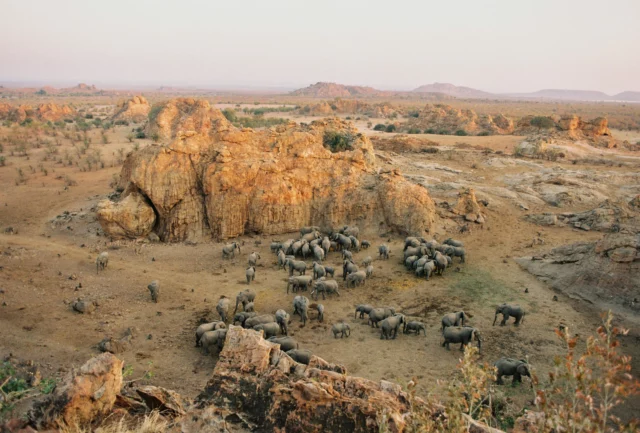
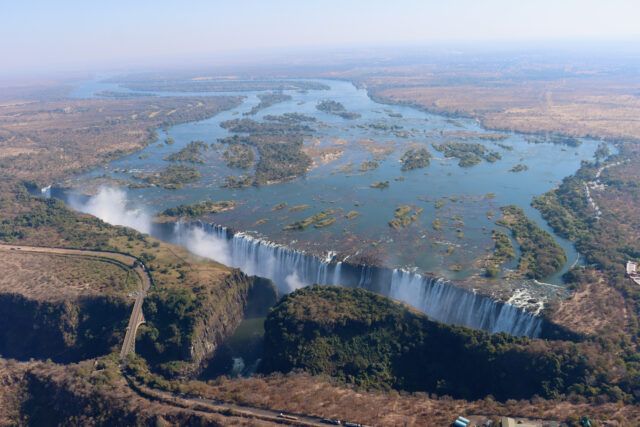
A journey through desert, canyon and wild places.
Namibia is one of Southern Africa’s finest self-drive destinations, offering long open roads, dramatic desert scenery, remote campsites and landscapes that change constantly from river valleys to canyons, mountain passes, coastal towns and towering dunes. This route covers roughly 6,000 kilometres over just more than two weeks and is best suited to travellers with a proper 4×4, good preparation and enough time to enjoy the journey properly.
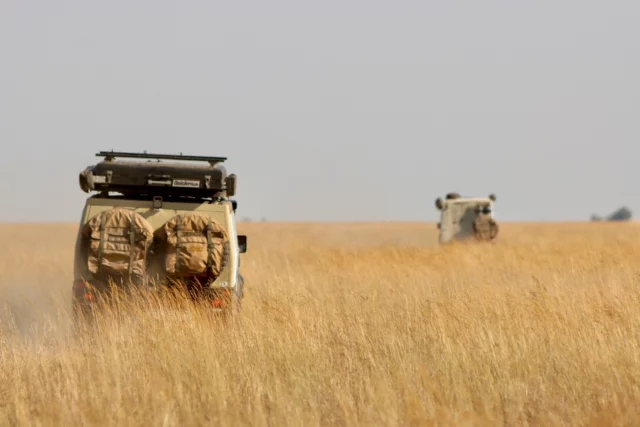
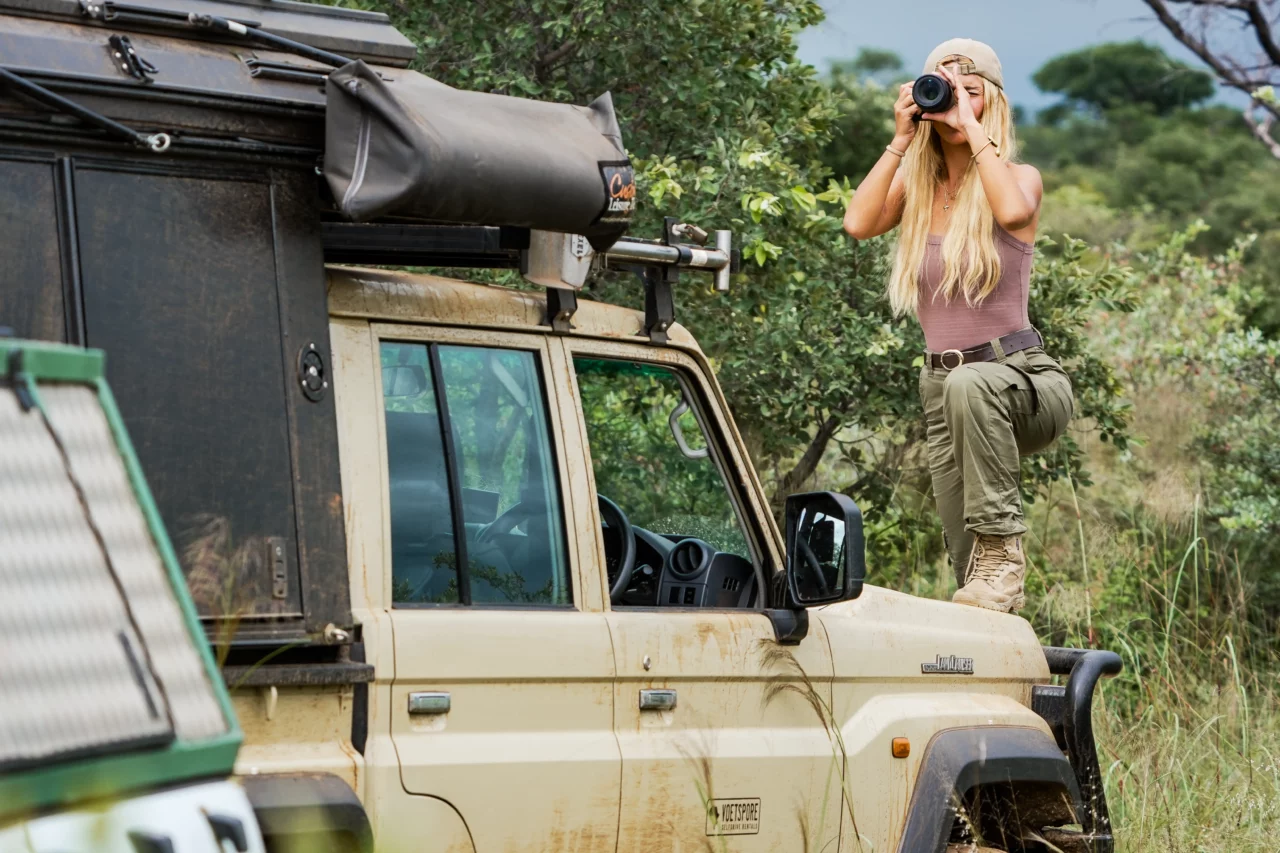
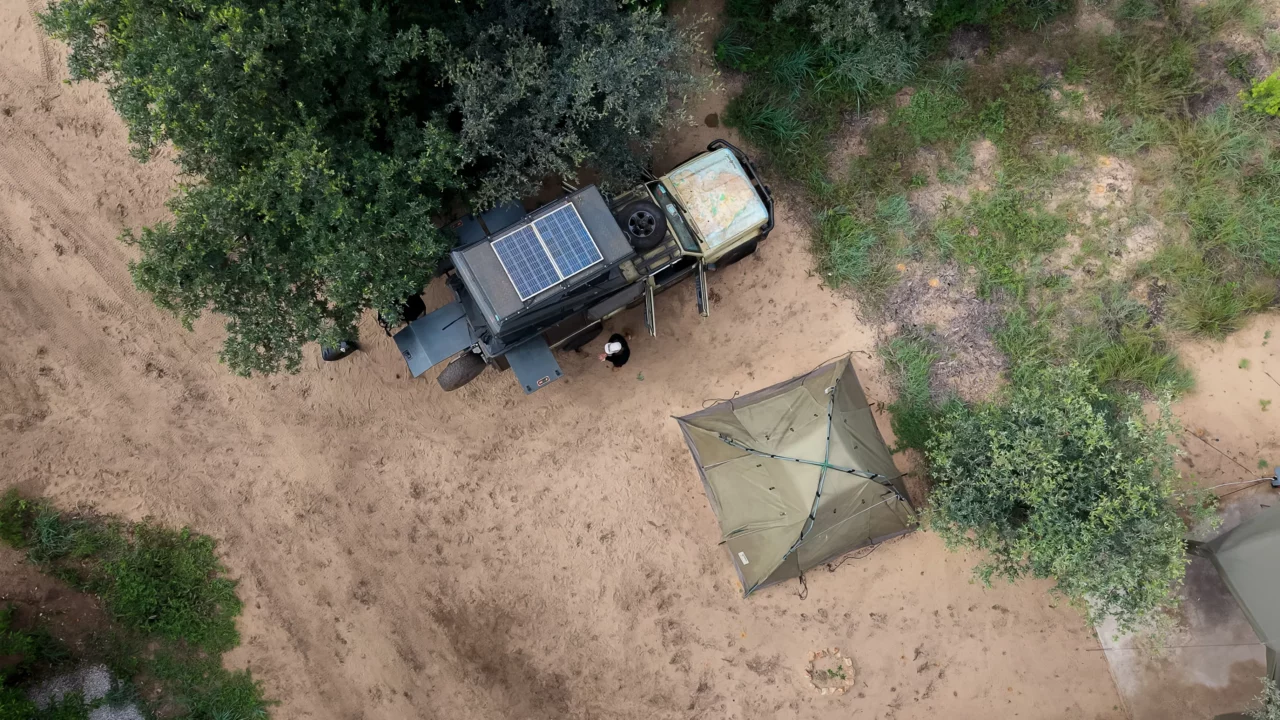
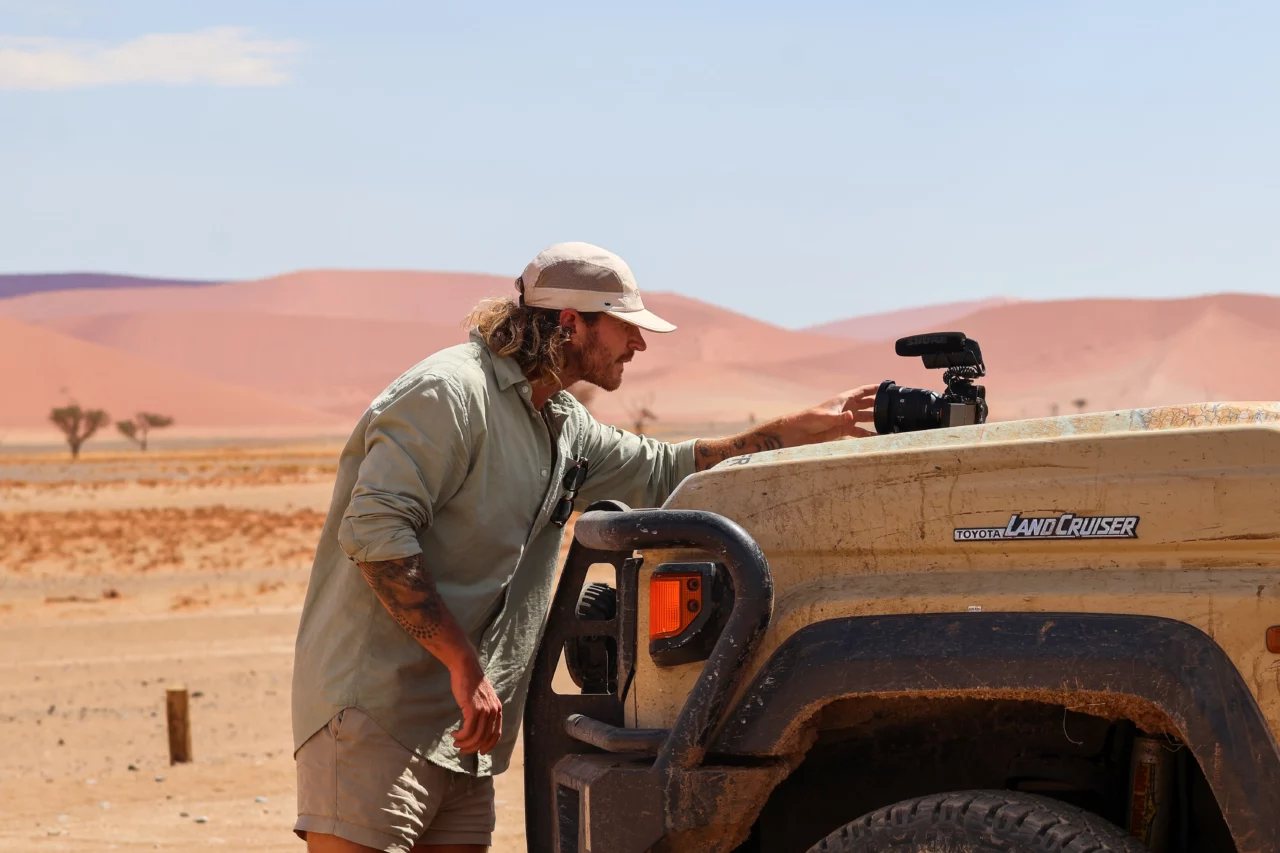
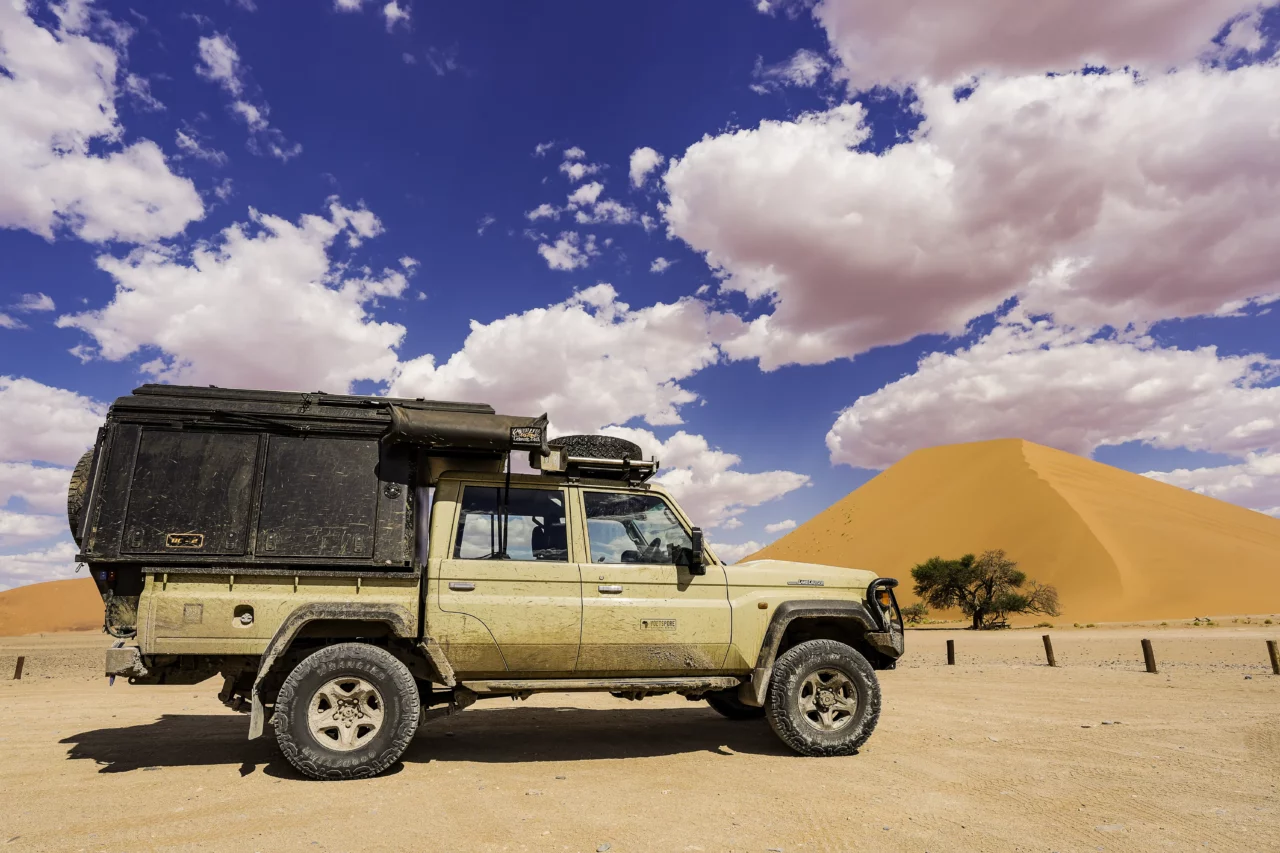
The trip was completed by Darren Britz and Nicky Ecker in one of the Voetspore overlanding vehicles, a Land Cruiser Camper 4.2 diesel. This vehicle was well suited to the route, offering the strength, reliability and camping setup needed for Namibia’s long gravel roads, sandy tracks, remote areas and wild campsites.
The journey begins with the long drive from Cape Town to the Namibian border, with a first overnight stop at The Growcery Camp on the Orange River. This is a peaceful and practical place to pause before entering Namibia. The camp is beautifully positioned on the river and offers a relaxed setting for camping, swimming, paddling or simply settling into the rhythm of the road. It is also a good final stop on the return journey.
From the Orange River, continue north into Namibia towards Fish River Canyon, one of the largest canyons in the world and the largest canyon in Africa. The scale of the landscape is immense, with dramatic viewpoints, dry riverbeds and vast open scenery in every direction. A minimum stay of two days is strongly recommended to fully appreciate the area.
Accommodation is best at Canyon Roadhouse, part of the Gondwana Collection. The lodge is one of the most characterful stops on the route, known for its vintage cars, old fuel pumps, roadhouse atmosphere, restaurant, bar and swimming pool. It is a memorable base from which to visit the canyon viewpoints and explore the surrounding desert landscape.
From Fish River Canyon, continue north towards Windhoek for a convenient overnight stop. UrbanCamp Windhoek offers shaded camping, a relaxed bar and restaurant area, Wi-Fi, a swimming pool and easy access to shops and restaurants. This is a useful place to refuel, restock and prepare before heading into the more remote sections of the journey.
From Windhoek, the route continues to Otjiwarongo, a central Namibian town often used as a base for travellers heading towards Etosha, Waterberg or the country’s more remote eastern regions. The area is also known for cheetahs and is home to the Cheetah Conservation Fund, where visitors can learn more about one of Africa’s most iconic animals and the farming communities that share the landscape with them.
The Otjiwarongo area also offers a very different side of Namibia, with open bushveld, farms, gravel roads and wide horizons. It is a practical and interesting stop, especially for travellers wanting to break up the distance between Windhoek and the more remote parts of the country.
From Otjiwarongo, travel east towards Nyae Nyae Conservancy, near Tsumkwe and the Botswana border. This is one of the most remote sections of the route and should not be rushed. The roads can be sandy, the distances feel long, and accurate navigation is essential.
Nyae Nyae is Namibia’s first communal conservancy and is closely linked to the Ju/’hoansi San people. The area offers a rare opportunity to experience a quieter and less visited part of Namibia, where local knowledge, tracking traditions and the surrounding landscape are deeply connected. The sense of isolation is part of the appeal, and travellers should be fully prepared before heading into this region.
After the Nyae Nyae section, the route returns west via Otjiwarongo before continuing towards Swakopmund. After days of gravel roads and remote landscapes, Swakopmund offers a welcome change of pace. This coastal town is known for its German colonial architecture, cool Atlantic air, good restaurants, old buildings and adventure activities.
Swakopmund was founded in 1892 and still carries much of that historic character today. Travellers can walk through town, visit the jetty, explore local shops and restaurants, book desert activities or enjoy the unusual setting where the Namibian Desert meets the Atlantic Ocean. It is one of the most enjoyable rest stops on the route and a good place to spend at least two nights.
A guided desert excursion near Swakopmund is highly recommended. Local operators such as Batis Birding Safaris and The Naturalist Collection offer specialised trips into the dunes, focusing on the small creatures that survive in the desert. Sightings may include geckos, lizards, insects and desert snakes such as the Peringuey’s adder, a small sidewinding snake perfectly adapted to moving through soft sand.
From Swakopmund, continue via Walvis Bay before heading south along one of the most scenic drives in Namibia. This section shows the striking meeting point between ocean and desert before the road turns inland through the Namib-Naukluft National Park. The scenery changes constantly, moving from coastal sand to open gravel plains, rocky ridges, dry riverbeds and mountain passes.
The next major stop is Sossusvlei and Deadvlei, two of the most famous landscapes in Namibia. Camping at Sesriem Campsite is strongly recommended, as it allows early access into the park before the main crowds arrive. This is important, especially for travellers wanting to photograph the dunes and Deadvlei in the best morning light.
Nearby Sesriem Canyon is also worth visiting. The name Sesriem comes from the six leather straps once tied together by early travellers to draw water from the canyon below. It is a small but interesting stop and gives useful context to the harsh desert environment surrounding Sossusvlei.
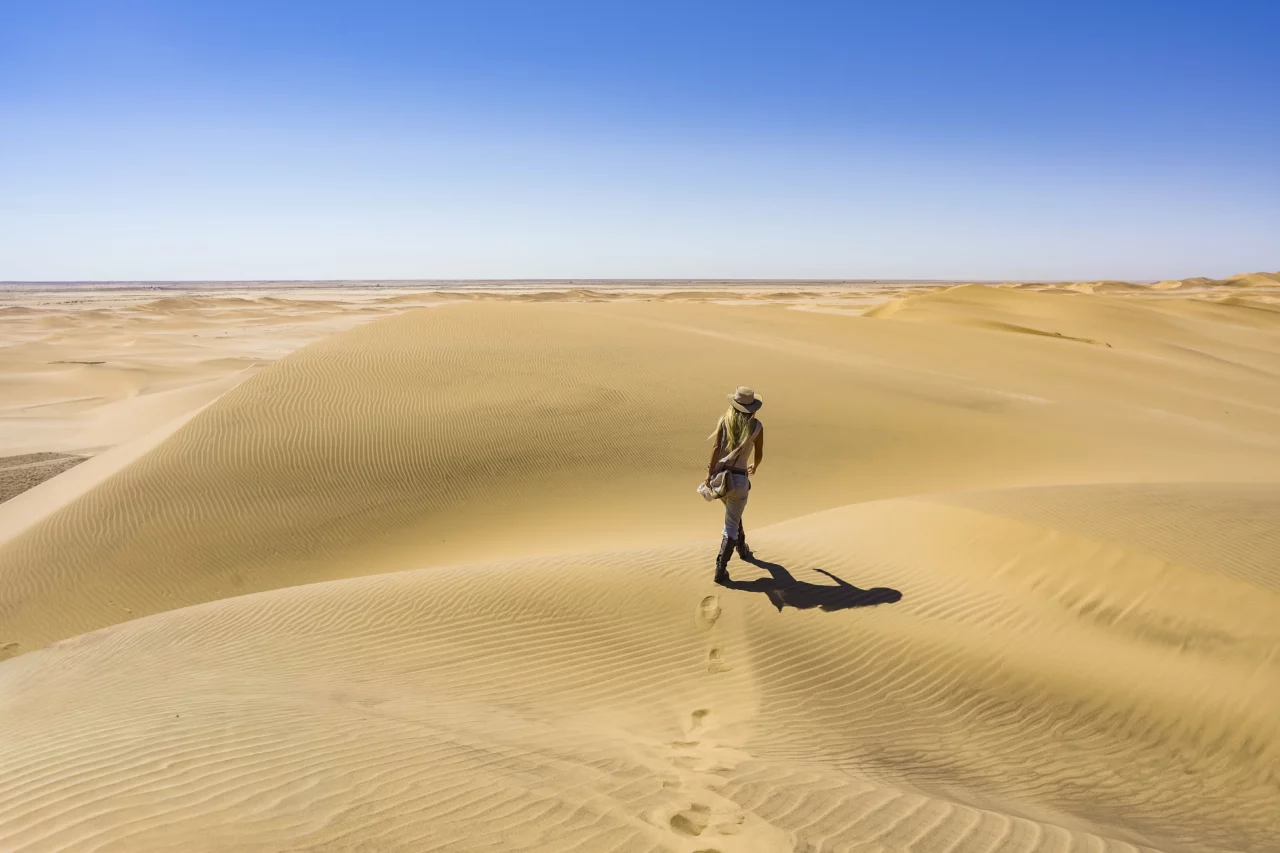
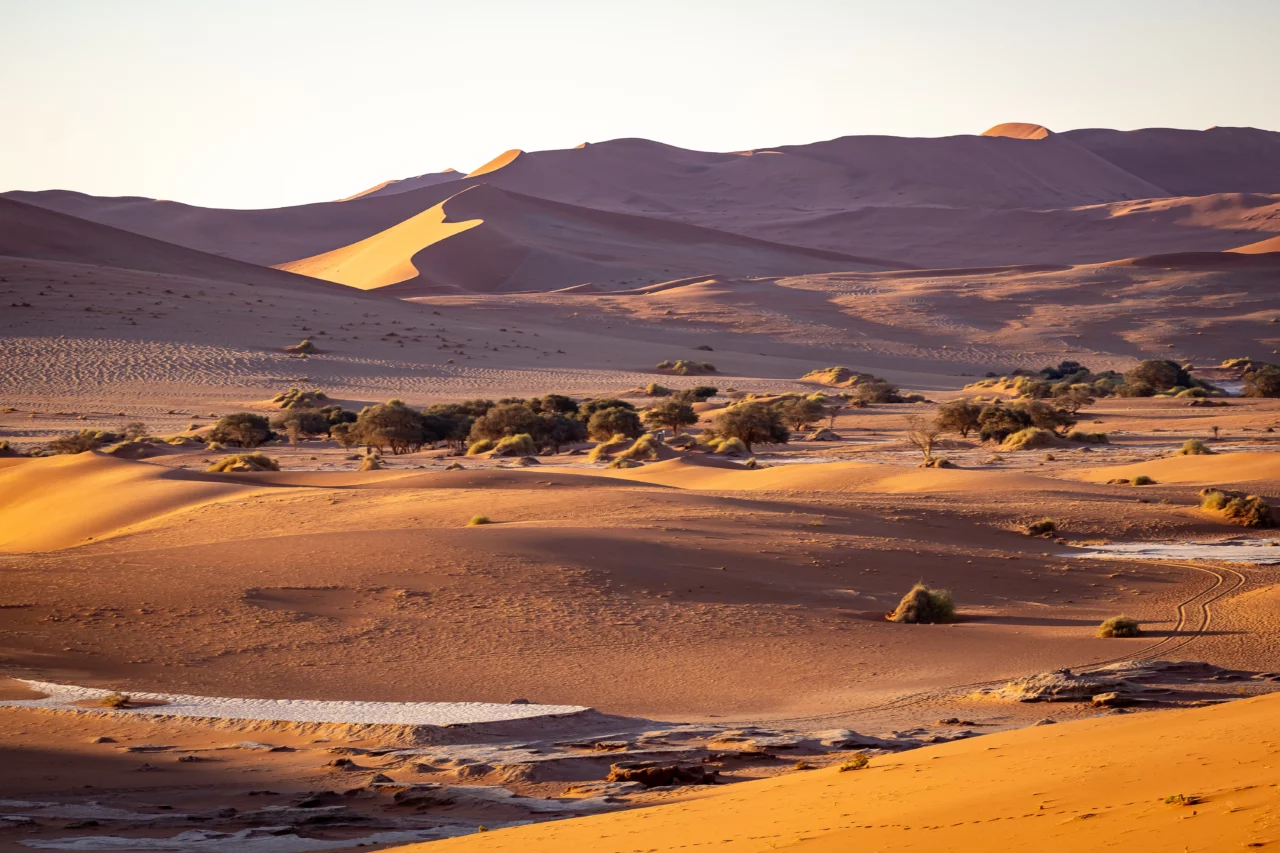
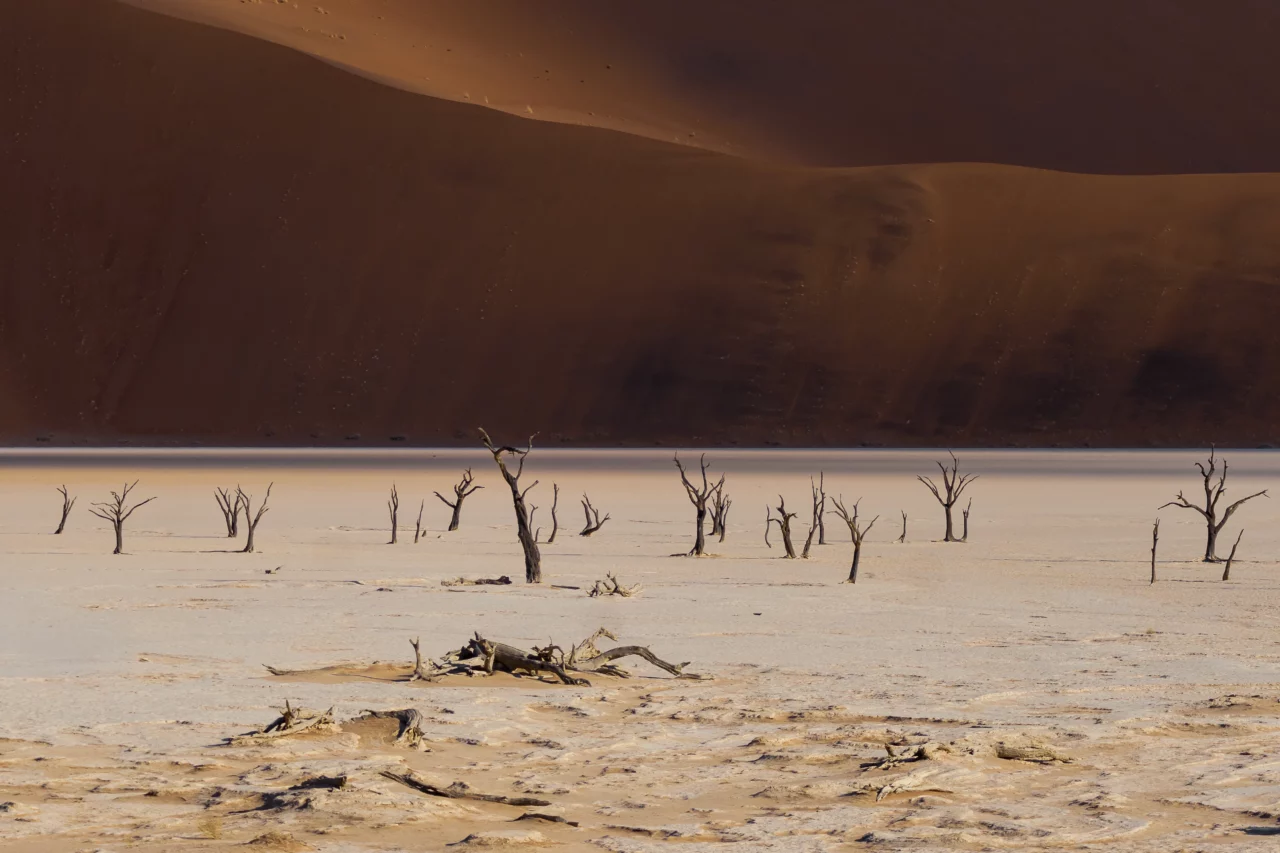
Deadvlei is the highlight of this section. The white clay pan, dark dead camel thorn trees and towering red dunes create one of the most recognisable scenes in Africa. Some of the trees are hundreds of years old and have remained standing because the climate is so dry. Sunrise is the best time to visit, both for cooler temperatures and for the soft light across the dunes.
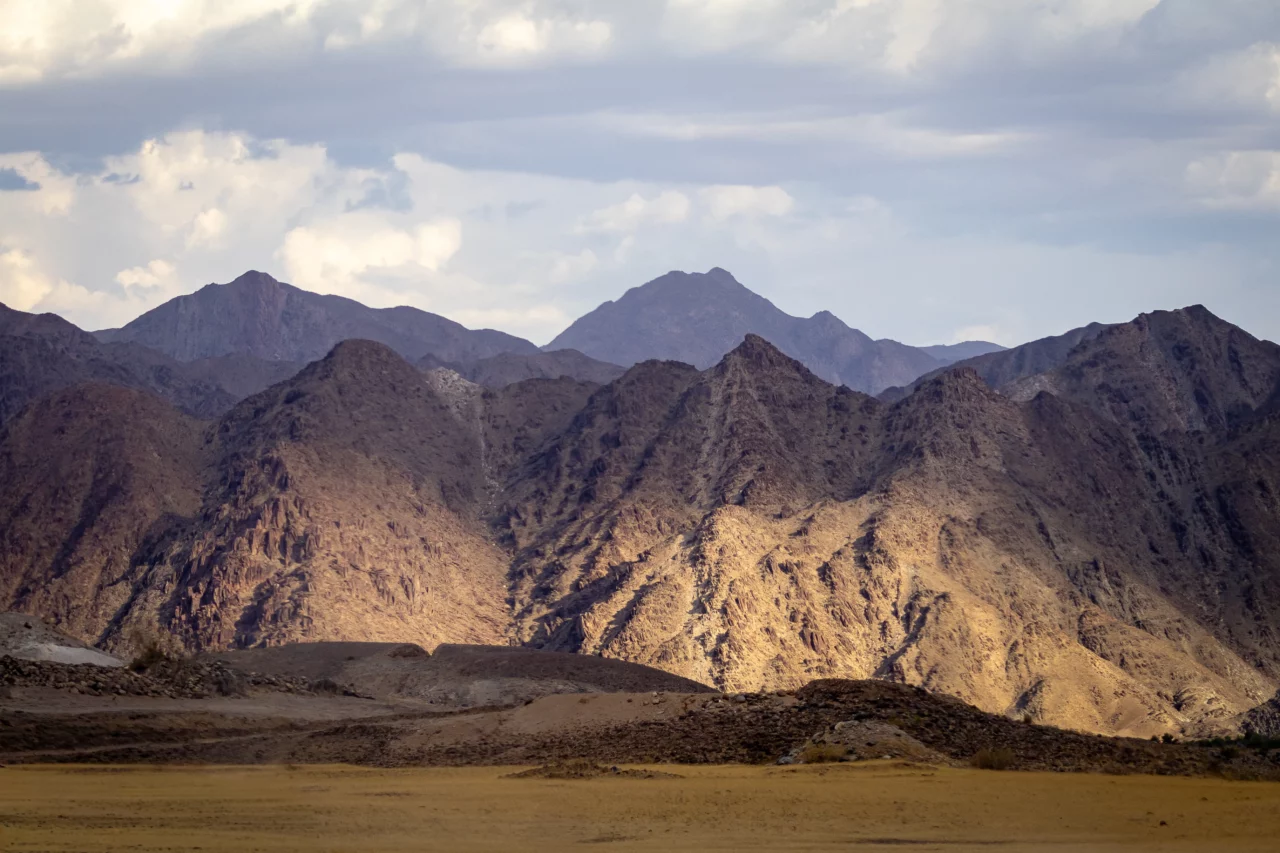
From Sossusvlei, the return journey south runs through the Ai-Ais/Richtersveld Transfrontier Park, a rugged desert mountain region shared between Namibia and South Africa. This area is known for dry valleys, rocky roads, mountain scenery and unique desert plant life. It offers a fitting final wilderness section before returning to the Orange River.
The route concludes with a final night back at The Growcery Camp. After thousands of kilometres of desert, coast, canyon and gravel roads, the Orange River provides a calm and comfortable final stop before crossing back into South Africa.
This journey should not be underestimated. Long driving days, remote areas, rough roads, sandy tracks and changing weather are all part of the experience. Travellers should carry enough water, fuel, recovery gear, navigation tools and camping equipment. A reliable 4×4 is essential.
For those who are properly prepared, this is one of the most rewarding routes in Southern Africa. It combines Namibia’s most dramatic landscapes with historic towns, remote communities, desert wildlife, iconic campsites and unforgettable overland driving. In the Voetspore Land Cruiser Camper 4.2 diesel, the journey was practical, comfortable and well suited to the demands of true overland travel.
Follow the conservation journey
This journey was brought to life through the work of Darren Britz and Nicky Ecker, combining overland travel with conservation storytelling and fieldwork across some of Namibia’s most remote landscapes.
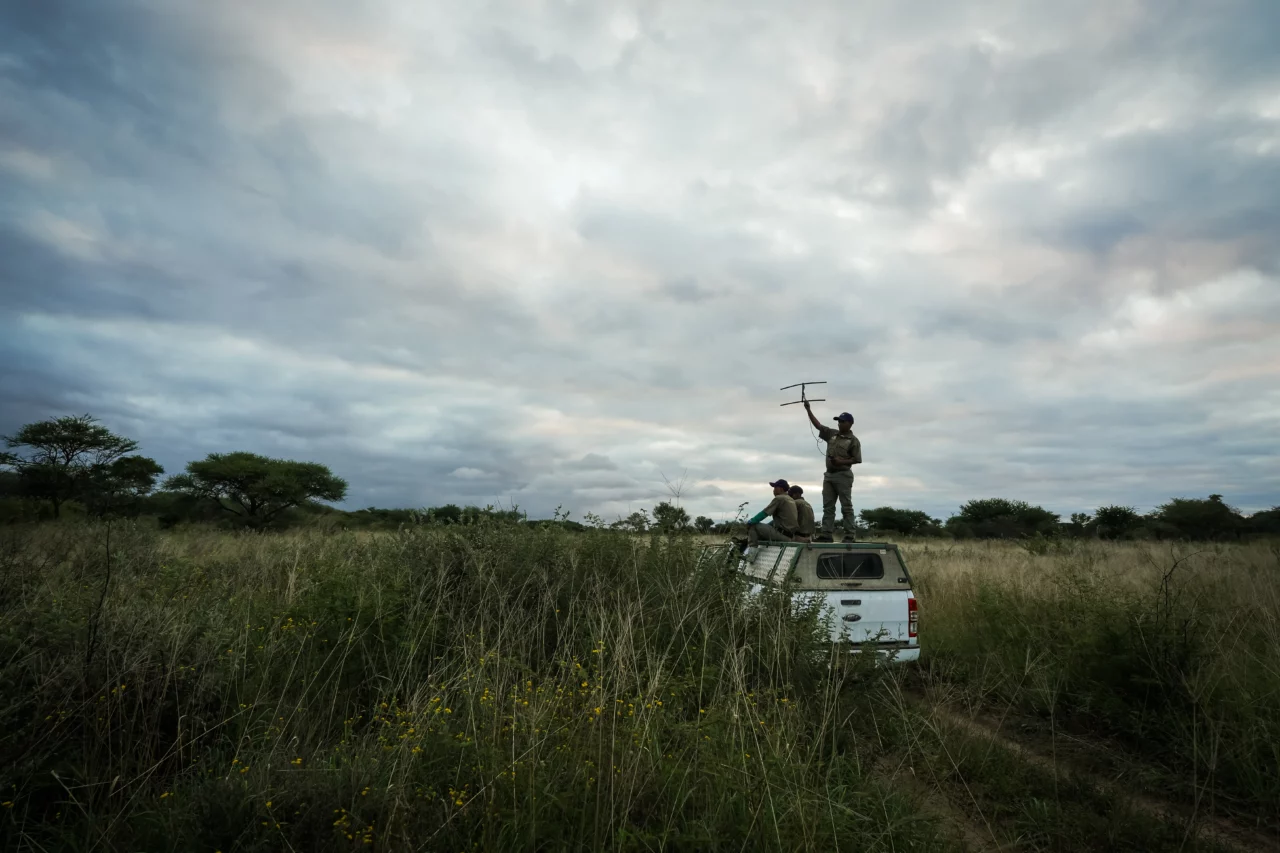
A key part of their journey is the conservation work happening behind the scenes, especially the efforts to protect vulnerable wildlife such as pangolins. Their work helps shine a light on the field teams, local knowledge, rescue efforts and ongoing awareness needed to protect these rare animals and the fragile wild spaces they depend on.
For behind-the-scenes moments, wildlife encounters, pangolin conservation stories and future adventures, follow them on Instagram:
Follow Darren Britz
Follow Nicky Ecker
Their journey offers a closer look at the people and conservation projects working to protect Africa’s vulnerable wildlife, from Namibia’s deserts and canyons to the field teams dedicated to pangolin protection.